The Myth of the Instant Masterpiece
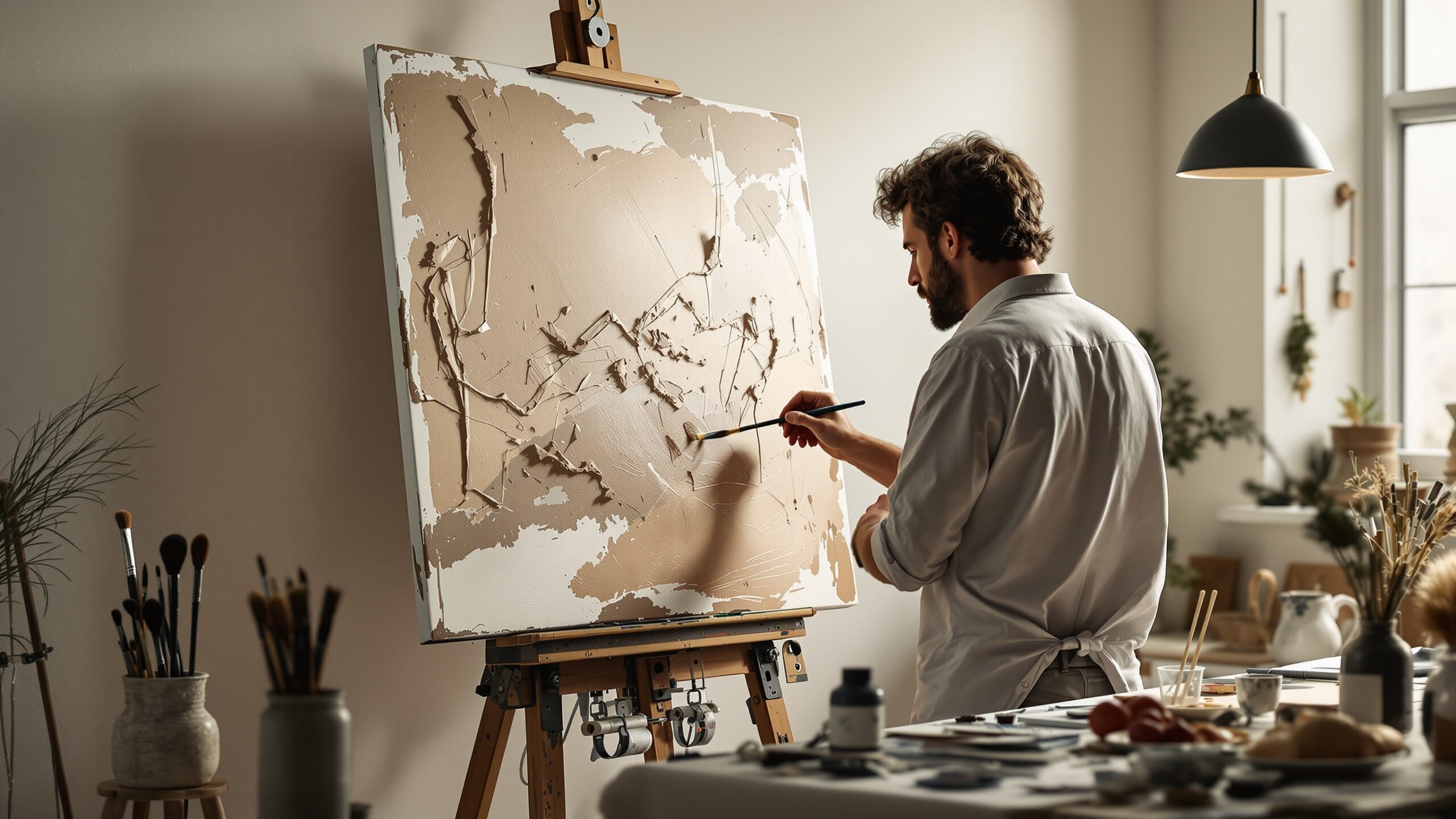
From the outside, art often appears to be an act of sudden brilliance. A finished painting hangs in a gallery, a sculpture stands in perfect stillness, or a print radiates visual harmony, and the viewer assumes it was born from a moment of inspiration. This perception, while romantic, conceals the intricate and disciplined process that defines true artistic craftsmanship. Behind every masterpiece lies a layered journey of experimentation, failure, revision, and technical precision. Artists rarely begin with certainty. Instead, they start with fragments—an emotional impulse, a visual memory, a fleeting idea that demands exploration. These fragments are not yet art; they are raw material. The transformation from concept to completed work is where the “secret life” of artists unfolds, far removed from public view. It is in studios, workshops, and quiet corners where the real work happens—where intuition meets technique, and imagination is forced into form. Understanding this hidden process reframes how we see art. It shifts the narrative from effortless genius to deliberate mastery, revealing that what appears spontaneous is often the result of countless invisible decisions.
A: It can take anywhere from days to years depending on complexity and technique.
A: Many plan broadly, but allow spontaneity during execution.
A: Quality paints, surfaces, and tools significantly impact results.
A: Layers build depth, texture, and visual richness.
A: Yes—many principles like composition and layering still apply.
A: Translating an abstract idea into a finished, cohesive piece.
A: Not always—it’s often a subjective decision.
A: Materials age, and exposure to light or air can alter colors.
A: No, but understanding fundamentals accelerates skill development.
A: A combination of technical excellence, originality, and emotional impact.
The Birth of an Idea: Where Creativity Begins
Every work of art begins in ambiguity. The initial idea is rarely clear or fully formed. It may emerge from observation—a play of light on a surface, a conversation overheard, or a memory that refuses to fade. At this stage, the artist operates as both observer and interpreter, filtering the world through a personal lens.
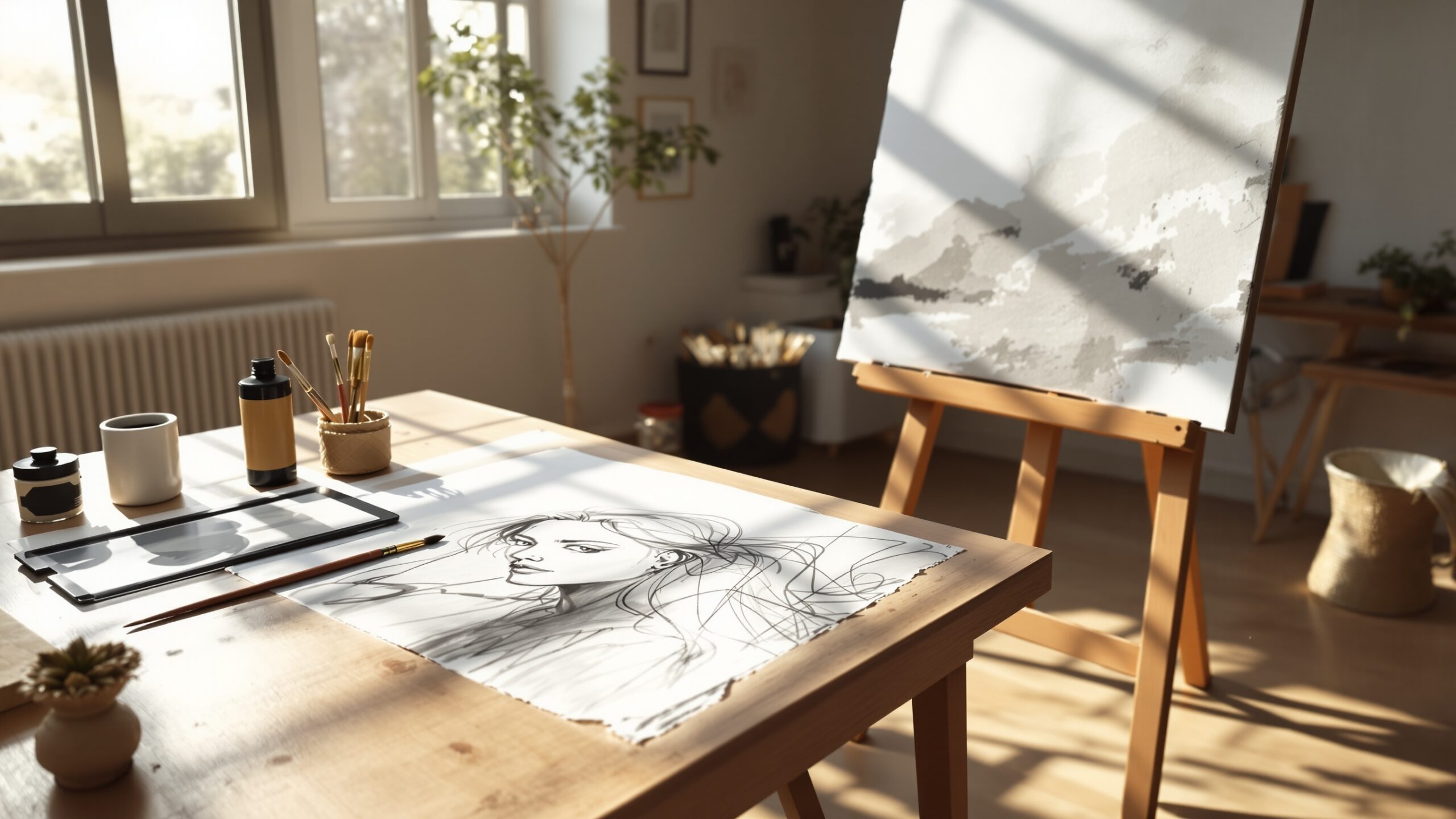
This phase is exploratory and often chaotic. Sketchbooks fill with rough drafts, notes, and visual experiments. Digital artists may create multiple iterations of a composition, adjusting color palettes, textures, and structures. Painters might test pigments on scrap materials, while sculptors experiment with form using clay or wire. None of these early attempts are intended for public display; they are tools for thinking.
What distinguishes experienced artists is not the absence of uncertainty, but their ability to navigate it. They understand that clarity emerges through process. The idea evolves as it is tested, reshaped, and sometimes abandoned altogether. This iterative cycle is foundational to craftsmanship, as it allows the artist to refine not only the concept but also their own creative instincts.
Material Intelligence: Understanding the Medium
A critical yet often overlooked dimension of artistic craftsmanship is material intelligence—the deep understanding of how materials behave, interact, and respond to manipulation. Whether working with canvas, ink, digital tools, or unconventional media, artists must develop a technical fluency that allows them to translate ideas into physical or visual form.
For painters, this might involve mastering the viscosity of oils, the drying time of acrylics, or the absorbency of different canvases. Printmakers must understand how inks interact with surfaces, how pressure affects transfer, and how layering influences color depth. Digital artists, while working in a virtual environment, face their own set of constraints, including resolution, rendering techniques, and software limitations.
Material intelligence is not acquired overnight. It is built through repetition, observation, and failure. An artist learns how a brushstroke behaves under varying pressure, how light interacts with texture, and how subtle adjustments can dramatically alter the final outcome. This knowledge becomes intuitive over time, allowing the artist to focus less on execution and more on expression.
The relationship between artist and material is collaborative. Materials resist, adapt, and sometimes surprise, pushing the artist to respond creatively. This dynamic interaction is where craftsmanship truly comes alive.
The Discipline of Process
Contrary to popular belief, artistic success is less about inspiration and more about discipline. The most accomplished artists maintain structured routines that support consistent output and continuous improvement. This discipline manifests in daily studio practice, rigorous self-critique, and a commitment to refining technique.
Process-oriented thinking is central to this discipline. Artists break down complex projects into manageable stages, each with its own objectives and challenges. A painter might begin with underpainting to establish tonal values, followed by layering to build depth and detail. A digital illustrator may start with wireframes, then move into shading, texturing, and final rendering.
This structured approach does not stifle creativity; it enhances it. By establishing a reliable framework, artists create the conditions necessary for experimentation. They can take risks within a controlled environment, knowing that the process will guide them back to coherence.
Time also plays a critical role. Many works evolve over weeks, months, or even years. Artists revisit pieces with fresh perspectives, making adjustments that were not apparent during earlier stages. This temporal dimension adds depth to the work, embedding it with layers of thought and intention.
Iteration and Failure: The Hidden Engine of Mastery
Failure is not an obstacle in the artistic process; it is a fundamental component. Each unsuccessful attempt provides valuable data, revealing what does not work and why. Artists who embrace failure as part of their workflow are better equipped to refine their craft and push creative boundaries.
Iteration is the mechanism through which this learning occurs. An artist may produce multiple versions of the same concept, each iteration addressing specific issues or exploring new possibilities. These variations are not redundant; they are essential steps toward achieving a cohesive and compelling final piece.
This iterative process is often invisible to the audience. Viewers see only the finished work, unaware of the discarded sketches, abandoned compositions, and countless revisions that preceded it. Yet it is precisely this hidden labor that gives the final piece its strength.
Mastery, in this context, is not defined by perfection but by resilience—the ability to persist through uncertainty, adapt to challenges, and continuously evolve.
The Role of Precision and Detail
As a work progresses, the focus shifts from broad composition to fine detail. This stage demands a high level of precision, as small adjustments can significantly impact the overall quality of the piece. Edges are refined, textures are enhanced, and subtle variations in color and tone are introduced to create depth and realism.
Attention to detail is not merely about technical accuracy; it is about intentionality. Every element within the composition must serve a purpose, contributing to the overall narrative or emotional impact. This requires a keen eye and a disciplined approach to decision-making.
Artists often develop specialized techniques to achieve the desired level of detail. These may include glazing in painting, layering in printmaking, or advanced rendering techniques in digital art. Each method requires practice and a deep understanding of the medium.
At this stage, the artist becomes both creator and critic, evaluating the work from multiple perspectives and making adjustments until it aligns with their vision.
The Emotional Layer: Infusing Meaning into Craft
Technical skill alone does not create a masterpiece. What elevates a work of art is its ability to convey emotion and meaning. This emotional layer is woven into the craftsmanship, shaping the way the piece is perceived and experienced.
Artists draw from personal experiences, cultural influences, and internal reflections to infuse their work with depth. This process is often subconscious, emerging through choices in color, composition, and subject matter. A muted palette might evoke nostalgia, while bold contrasts can create tension or drama.
The challenge lies in balancing emotional expression with technical execution. Too much emphasis on technique can result in a work that feels sterile, while an overreliance on emotion may lead to a lack of coherence. Skilled artists navigate this balance, ensuring that each element supports the intended message.
This integration of emotion and craft is what allows art to resonate with audiences, creating connections that extend beyond the visual.
Tools of the Trade: Tradition Meets Innovation
The tools available to artists have evolved significantly over time, expanding the possibilities of artistic expression. Traditional tools such as brushes, chisels, and printing presses continue to play a vital role, offering tactile feedback and a direct connection to the material.
At the same time, digital technologies have introduced new dimensions to the creative process. Software platforms enable artists to experiment with complex compositions, simulate materials, and achieve levels of precision that were previously unattainable. These tools do not replace traditional methods; they complement them, providing additional avenues for exploration.
The integration of technology requires a different set of skills, including an understanding of digital workflows, file formats, and rendering techniques. Artists must adapt to these tools while maintaining their core creative principles.
This convergence of tradition and innovation reflects the evolving nature of craftsmanship, where new technologies enhance rather than diminish the artistic process.
The Studio Environment: A Space for Creation
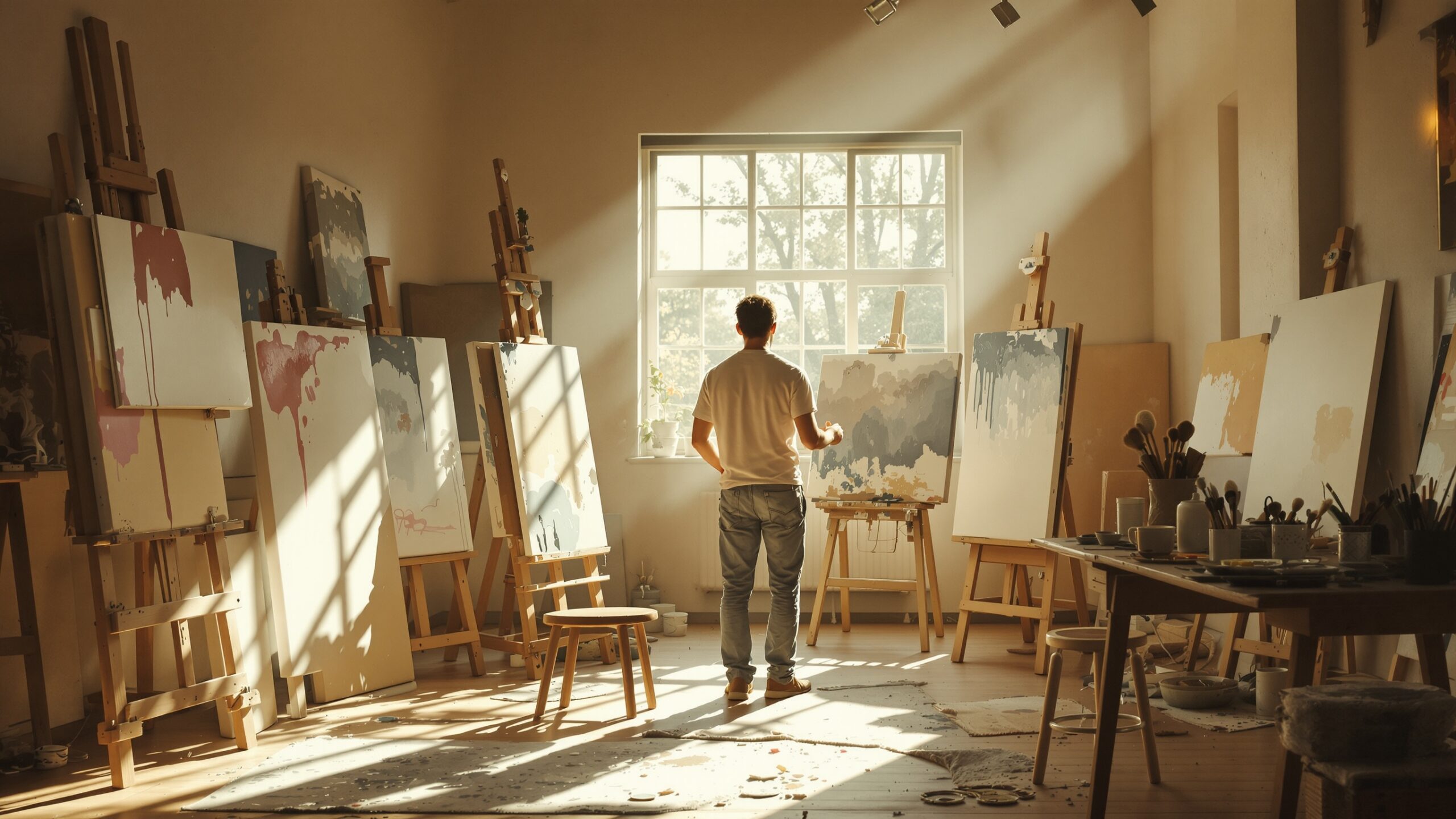
The physical or virtual environment in which an artist works plays a significant role in shaping the creative process. Studios are often carefully curated spaces, designed to support focus, experimentation, and productivity. Lighting, organization, and accessibility of materials all contribute to the efficiency and effectiveness of the workflow.
For some artists, the studio is a place of solitude, free from external distractions. For others, it is a dynamic space that encourages collaboration and exchange of ideas. Regardless of the setup, the environment must align with the artist’s working style and creative needs.
The studio is also where the boundaries between planning and execution blur. Ideas are tested, refined, and brought to life within this space. It is both a laboratory and a workshop, where craftsmanship is continuously developed and applied.
The Final Stage: Knowing When to Stop
One of the most challenging aspects of artistic craftsmanship is determining when a piece is complete. The temptation to continue refining can lead to overworking, where the original vitality of the piece is diminished. Conversely, stopping too early may result in an unfinished or underdeveloped work.
Experienced artists develop an intuitive sense of completion, recognizing when the piece has achieved its intended balance and impact. This decision is informed by both technical evaluation and emotional resonance.
The final stage often involves stepping back—literally and figuratively—to view the work as a whole. Artists assess composition, harmony, and coherence, making final adjustments as needed. Once completed, the piece transitions from a private process to a public experience.
The Invisible Journey Behind Every Masterpiece
What audiences ultimately encounter is the result of an extensive and largely unseen journey. The finished artwork carries within it the traces of every decision, experiment, and revision that shaped its creation. This hidden narrative is what gives art its depth and authenticity.
Recognizing the craftsmanship behind art enhances appreciation. It reveals that masterpieces are not accidents but the culmination of skill, discipline, and perseverance. The “secret life” of artists is not defined by mystery alone, but by a commitment to transforming raw ideas into something meaningful and enduring. In understanding this process, we gain a deeper respect for the work itself and for the individuals who dedicate themselves to its creation. Art becomes more than a visual experience; it becomes a testament to the power of human ingenuity and the relentless pursuit of expression.