Color Psychology in Art: How Colors Influence What Viewers Feel
Color psychology in art is shaped by hue, value, saturation, culture, memory, lighting, and the relationships between colors.

From Digital To Display We Print What Matters
Color psychology in art is shaped by hue, value, saturation, culture, memory, lighting, and the relationships between colors.
Learn how placement, rhythm, negative space, scale, and revision choices shape the emotion of a painting before viewers even name the subject.
Explore how color creates emotion in art through temperature, saturation, value, palette hierarchy, contrast, context, and color relationships.
Create cinematic lighting in your home with layered lamps, accent light, picture lighting, soft shadow, warm-cool balance, and repeatable scenes.
Create cinematic interior design with a clear point of view, layered depth, sculpted lighting, tactile materials, film-like color, and careful editing.
Make your home look like a movie set with scene-led design, layered lighting, foreground depth, meaningful objects, cinematic color, and editing.
Learn how to make a professional canvas backdrop from scratch, from canvas choice and surface prep to painting, testing, finishing, and storage.
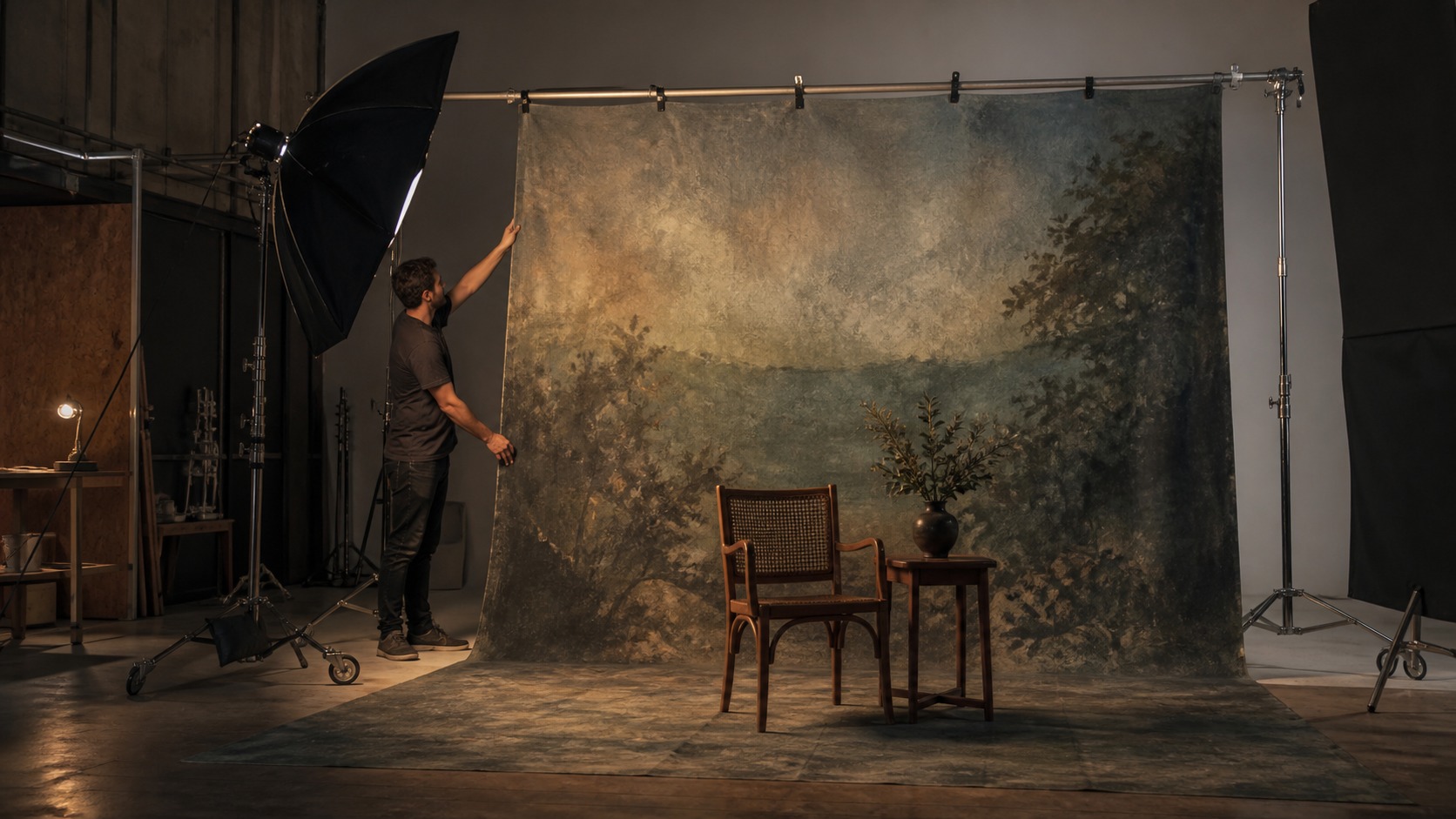
A complete guide to canvas backdrops for photography, film, and theater, covering types, finish, size, lighting, care, and buying decisions.
Use canvas backdrops for film, stage, and photo sets with better scale, lens planning, lighting, rigging, props, and final testing.
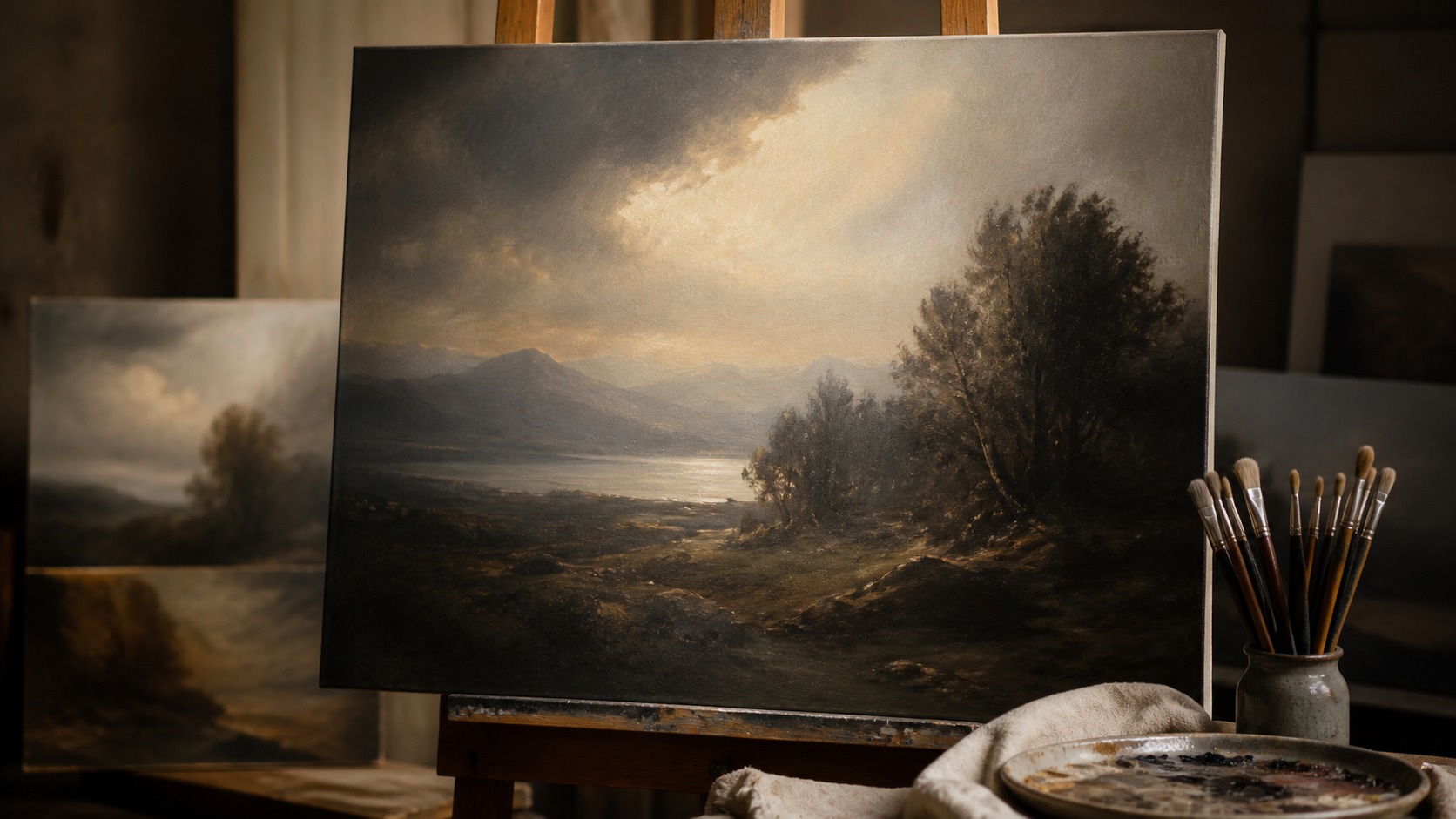
Explore how light, shadow, tone, edges, and color temperature create atmosphere and transform the emotional experience of a canvas.
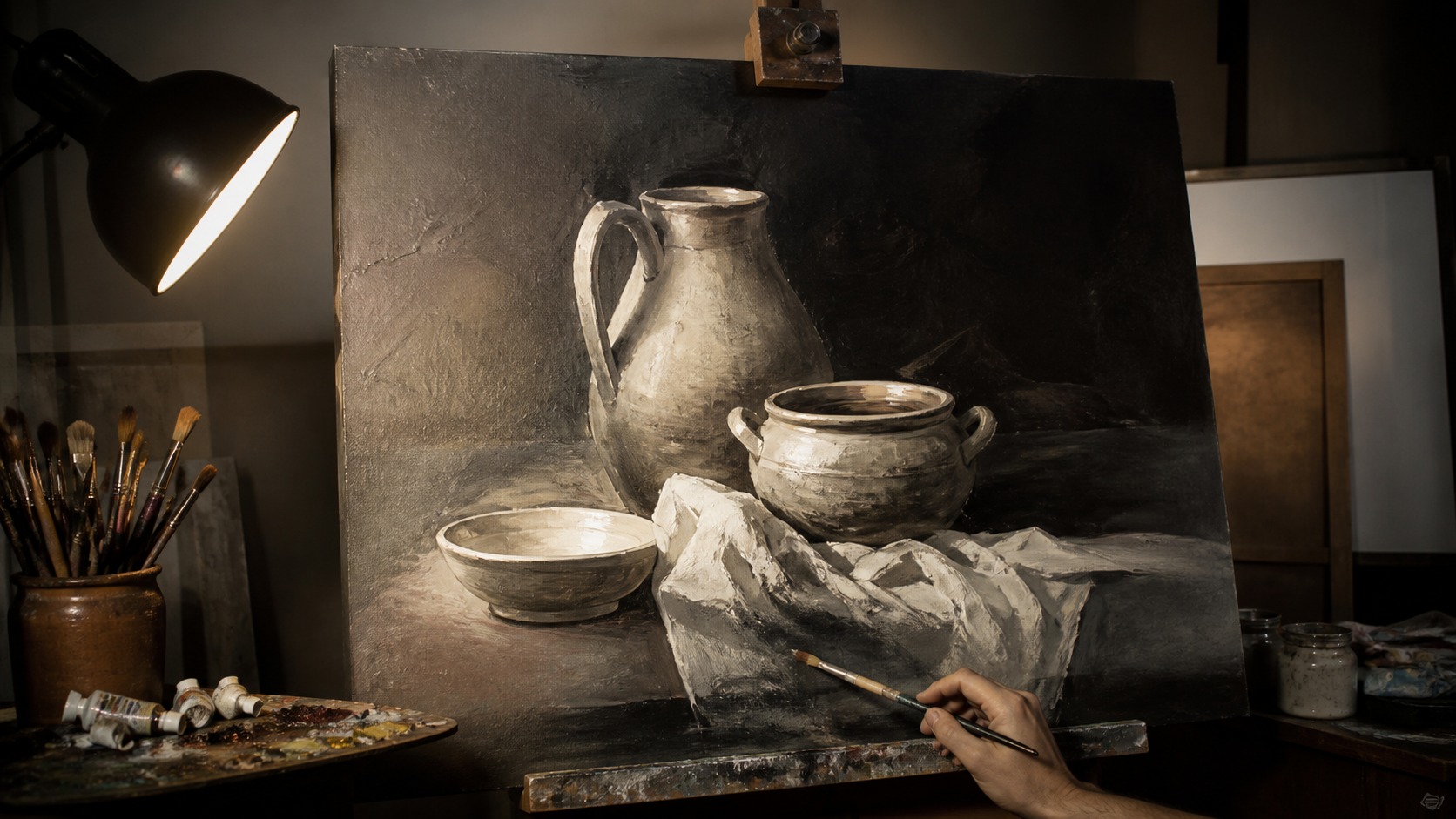
Learn how to use light and shadow for dramatic artwork through believable light sources, value contrast, shadow shape, highlights, and depth.
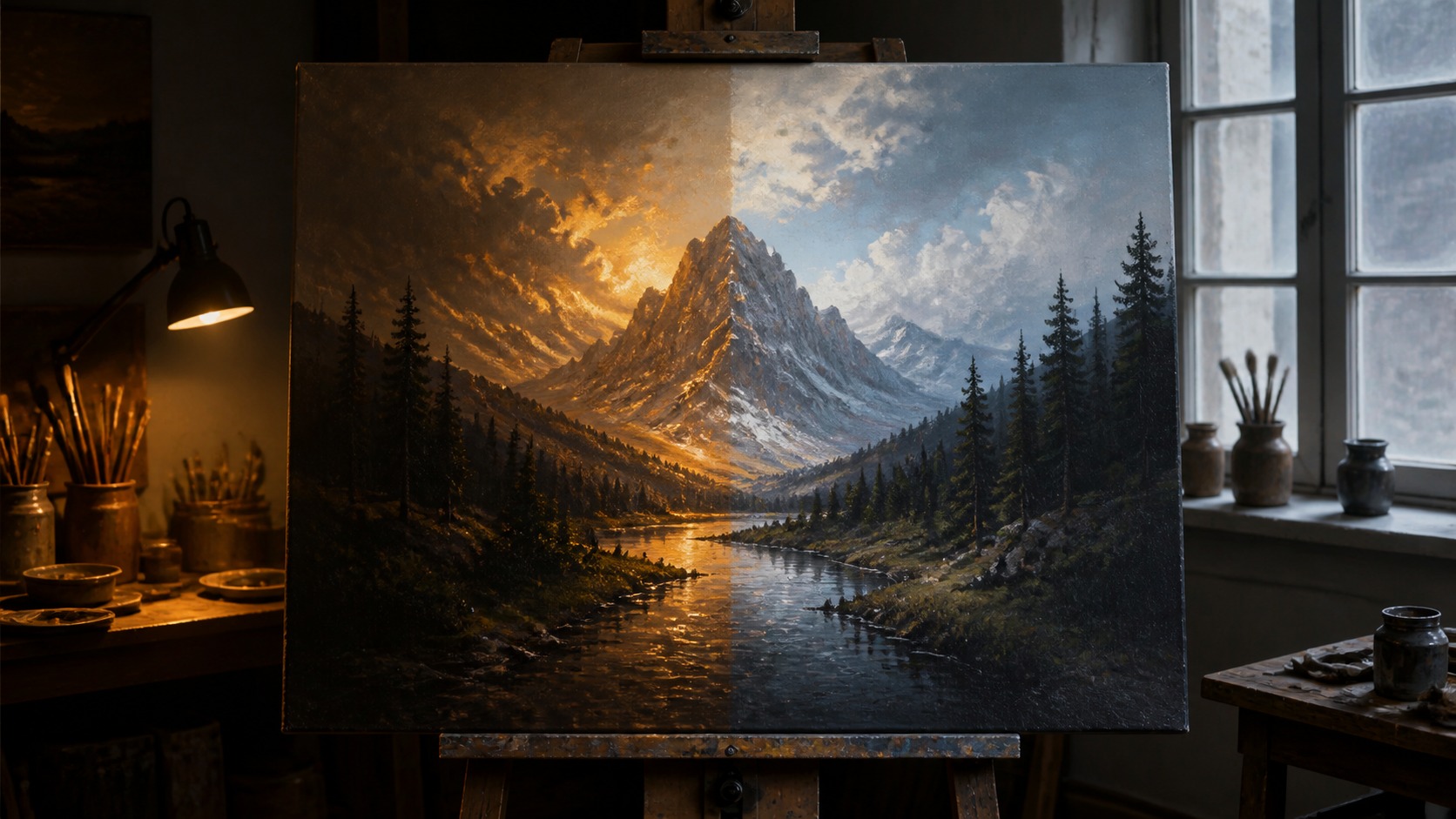
Learn how warm, cool, directional, and bright light changes the mood of a painting through color, texture, shadow, and room atmosphere.